For special deals and more great content, sign up for the free How To Cook Like Your Grandmother Newsletter.
Email address:


Also receive blog posts via email

Name: (optional)

Not now, thanks

How To Make Clarified Turkey Broth

You don’t have to clarify your turkey broth. It will still make a delicious soup if it’s cloudy. But clarified … now this opens up some new possibilities.

The technique I’m using is ice filtration, which I first saw on Kok Robin. You might also want to check out From Cook To Chef for some of the science behind why it works.

Or just read on for the how-to.


Some people like to cook turkey or chicken legs just to make stock. I’ve always thought stock is what you do with the carcass after you’re done with the Thanksgiving or Christmas turkey.

Break it down and place it in a large pot and cover with water.
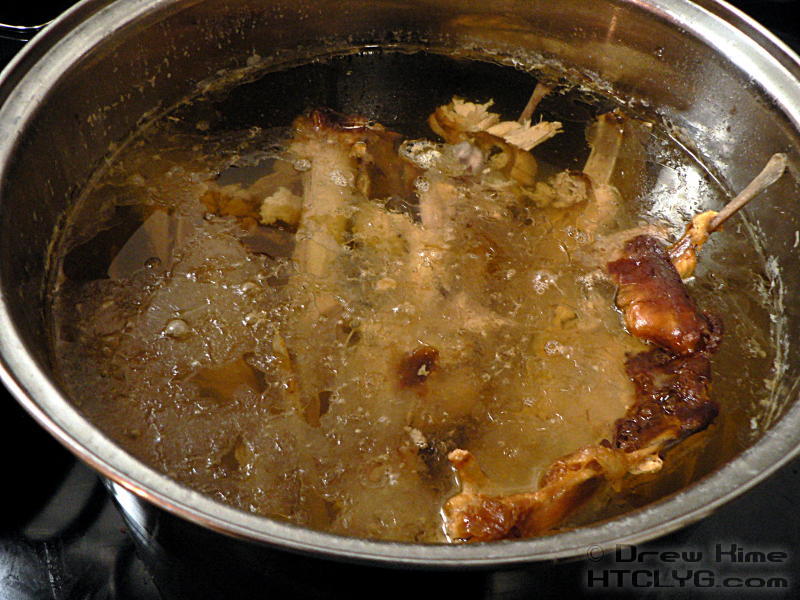
Let me just end the suspense and say that no, I don’t cook any aromatics (celery, carrots, onions, herbs) before adding the turkey. And I don’t salt it. Not because of health concerns, I just like to keep pure broth with no other flavors in it.

Anyway … I also use the wings and drumsticks, which are just annoying to try to eat but add some great flavor. You can see below that I needed two pots to hold everything. I set them on a low simmer for most of a day before picking out all the bones.
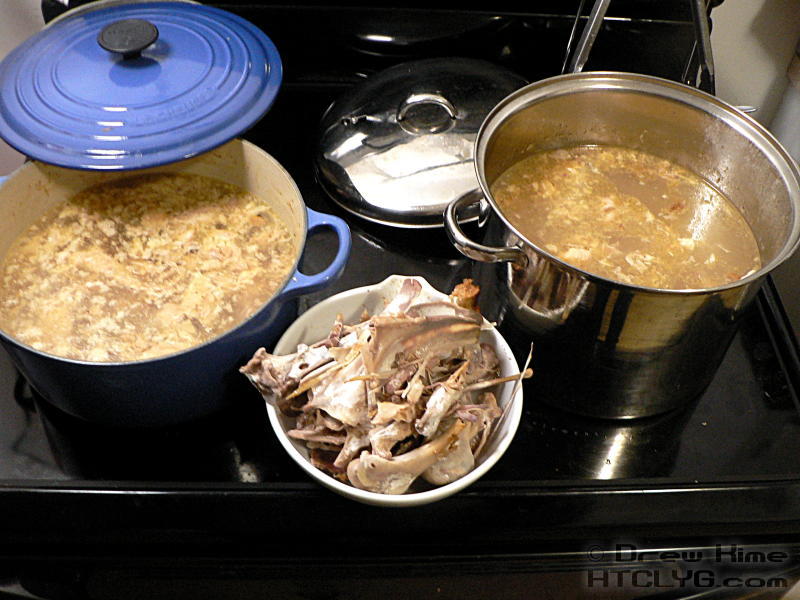
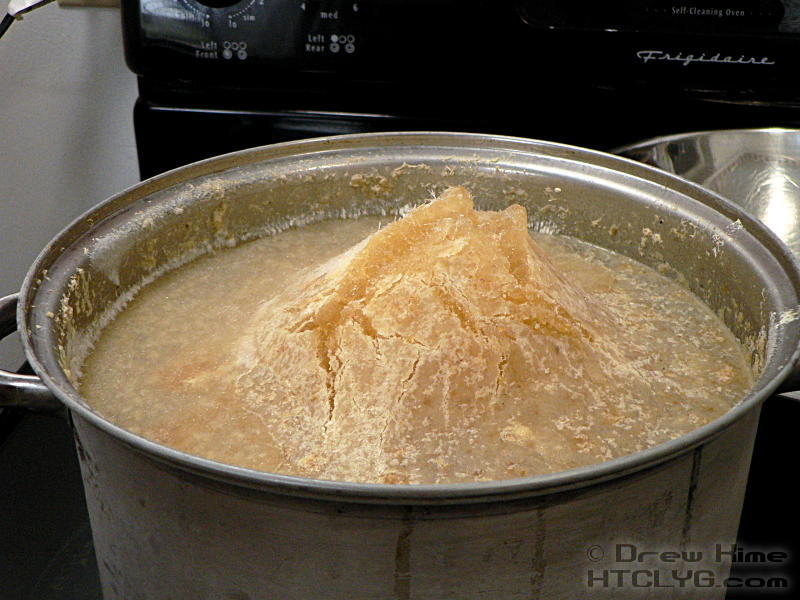
After fishing out the bones I was able to combine everything into my largest pot, which then went into the freezer overnight. It always rises up in the middle like this, so don’t freak out about it.
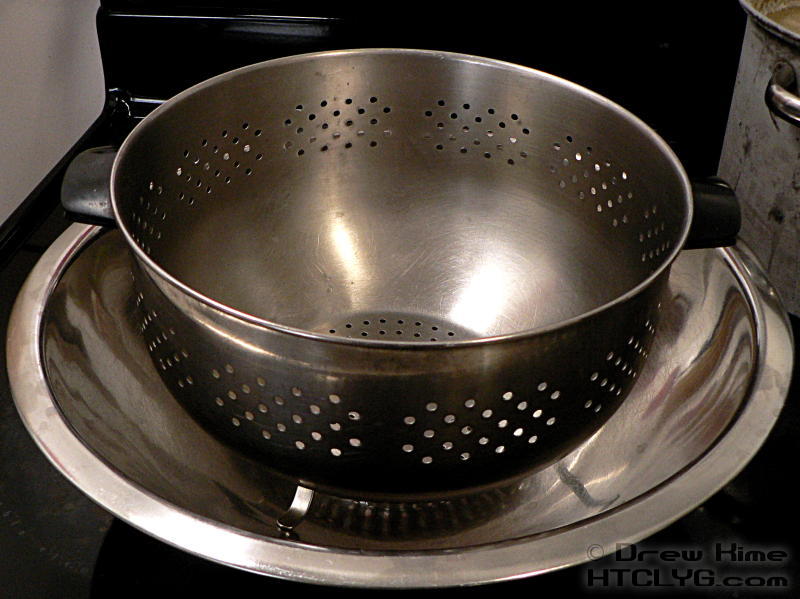
Place a colander inside of a large bowl and line it with multiple layers of muslin or cheesecloth.
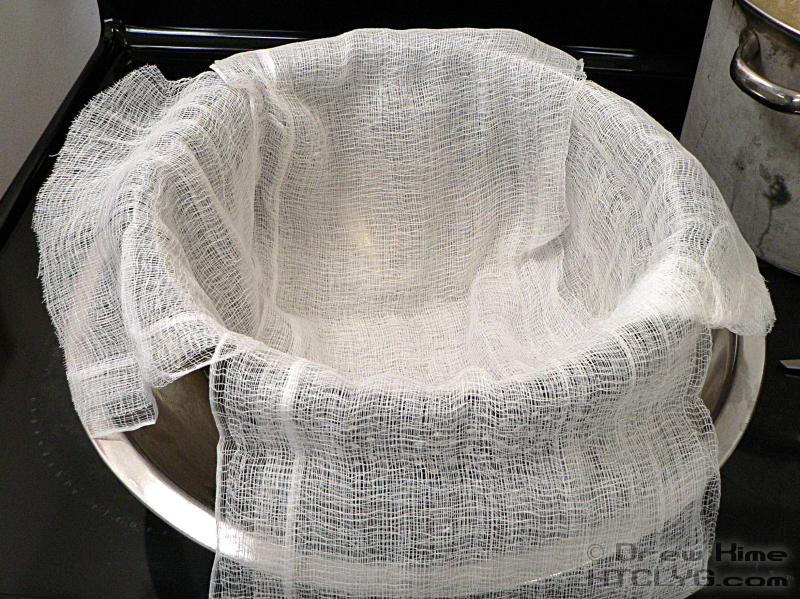
Place the pot upside-down on top of the colander.
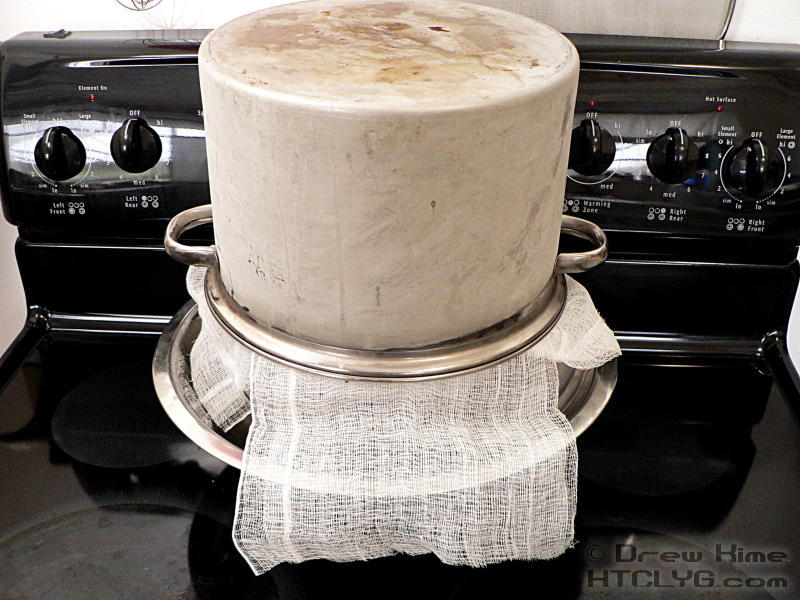
Keep checking every half-hour or so until the frozen broth has come loose from the pot and slid down into the colander.

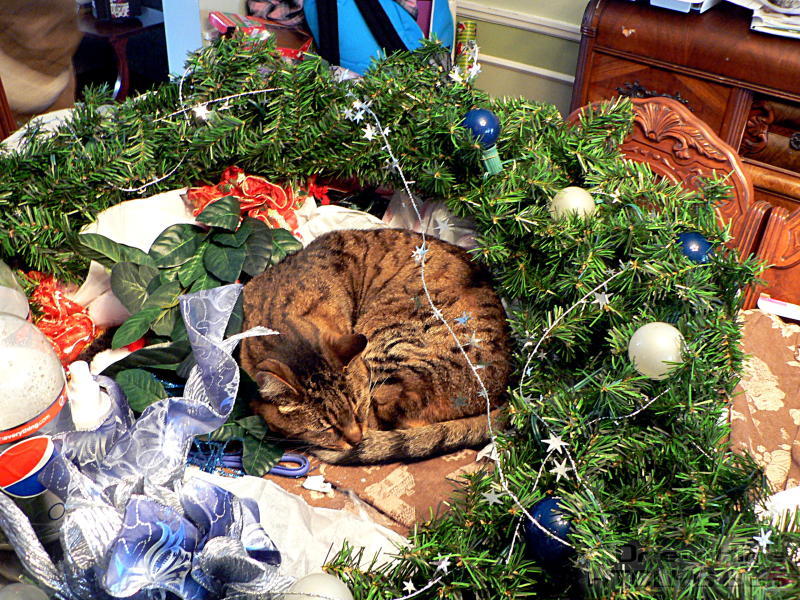
Make sure the colander and pot are somewhere the cat can’t get to. They’re sneaky.
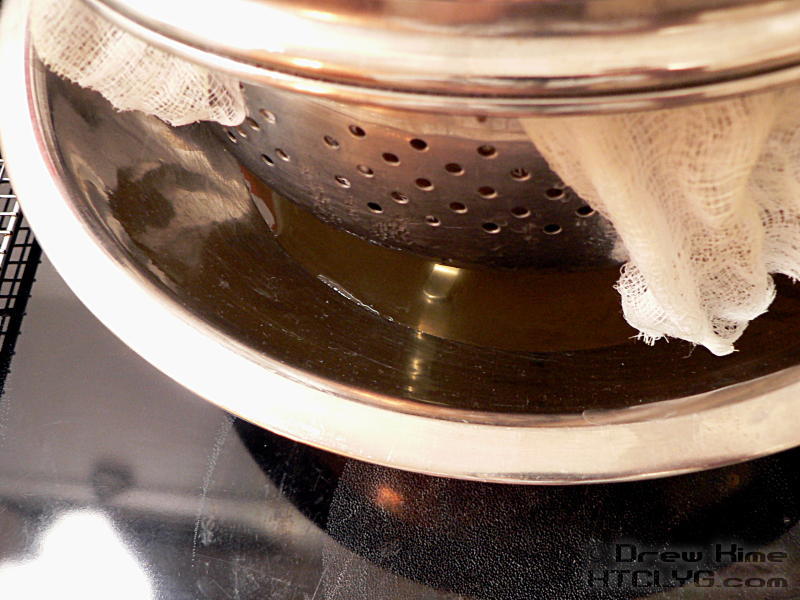
As the broth melts, check frequently and pour off anything that has strained through.
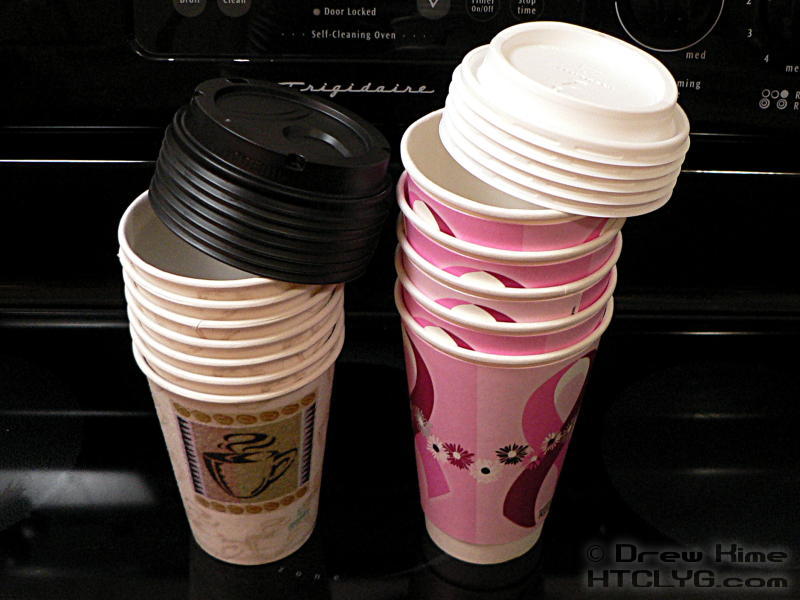
I thought about canning the finished broth in jars, but I mostly have quart jars. Usually I don’t need that much broth at a time, so I decided to freeze it in insulated cups instead.
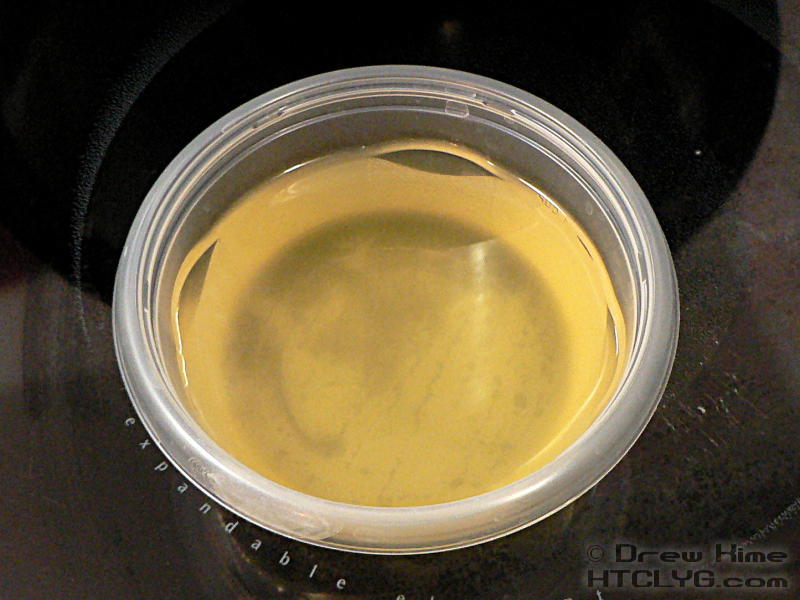
When all was said and done, I had more than three quarts of clarified broth.
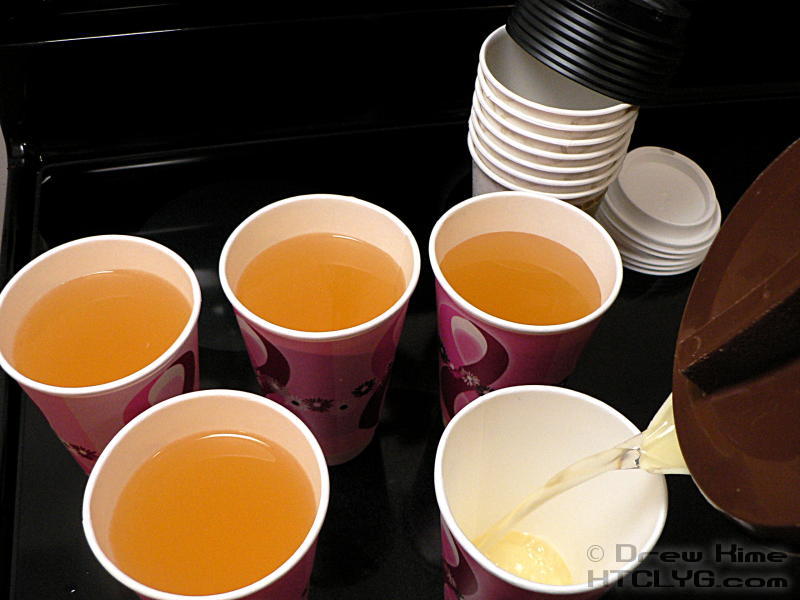
Divided between 12-ounce and 16-ounce cups, I’ve got enough for all the soup I can stand through the whole winter.

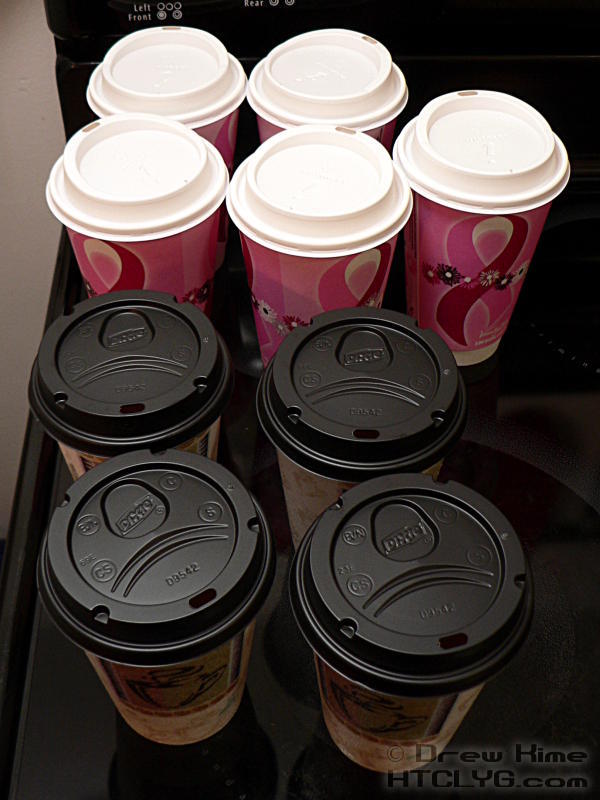
And that’s it.

Want more like this? For more recipes like this, that you can hold right in your hands, and write on, take notes, tear pages out if you want (Gosh, you're tough on books, aren't you?) you might be interested in How To Cook Like Your Grandmother, 2nd edition, Illustrated. Or to learn your way around the kitchen, check out Starting From Scratch: The Owner's Manual for Your Kitchen.

This entry was posted in Fowl, Technique and tagged . Bookmark the permalink. Post a comment or leave a trackback: Trackback URL.

15 Comments

  1. Melissa
    Posted January 4, 2011 at 3:09 pm | Permalink

    I freeze my stock in ziplock frezzer bags – that way, I can lay them flat in the freezer and they take up much less room. I usually measure out 2 cups in each (although you can easily adjust the amount). I also add veggies to mine, but only for the last hour or two; I read about that from Michael Ruhlman, and it makes my stock a lot less cloudy that way.

  2. Barbara
    Posted January 4, 2011 at 7:53 pm | Permalink

    Melissa, that’s how I do mine as well. I will cook my bones down (with veggies) and then refrigerate the room-temperature-strained-through-cheesecloth broth. The next day, I peel the fat off and discard, divide into labeled quart ziplock bags, and lay flat in the freezer. If I don’t want the whole thing, I bang it on the counter edge to break apart! Yum…

  3. Posted January 4, 2011 at 8:57 pm | Permalink

    Cool! I see you’re addicted to clarifying your broths as well. :-)
    It looks so chique, doesn’t it? And tastes so good, with so little effort.

    Funny to see you freezing such a big pot! It must have taken ages to defrost?

  4. Posted January 4, 2011 at 9:38 pm | Permalink

    Melissa and Barbara, I’ve got a few quart zip-top bags in the freezer of the drippings from a bird that totally gelled up. I cracked all the bones from this one, but somehow I never got much gel action.

    Robin, I’ve had that post bookmarked for a couple of years. I’ve done three or four turkeys since then, clarified the broth once before, and finally remembered to take the pictures.

    • Barbara
      Posted January 7, 2011 at 9:52 pm | Permalink

      Too much water, maybe? Did you boil? Never “rolling boil” meat or bones… only simmer gently. Hmmm. I’m guessing amount of water, though…

  5. Posted January 12, 2011 at 6:11 pm | Permalink

    I like to roast the poultry carcasses and vegetables first to make a richer stock. I also freeze some in an ice cube tray that gives you roughly 2 Tbsp. portions to use in sauces, etc.

    • Posted January 13, 2011 at 11:27 pm | Permalink

      The ice-cube tray trick is great. I’ve done it for pesto, also.

  6. Allison
    Posted January 12, 2011 at 9:30 pm | Permalink

    Ooh! I’m trying this method today with a chicken carcass that’s been hanging out in the freezer. Cracking bones is fun!
    So do you know if there’s any difference in the finished product if you let it filter at room temperature rather than in the fridge? just curious.

  7. Posted January 12, 2011 at 10:23 pm | Permalink

    At room temperature there’s a higher risk of picking up some bacteria, though as long as you keep pouring off what has thawed and putting it in the fridge I believe you’ll be okay.

    The other risk is that it thaws faster than you expect and some cloudy stock makes its way through the cloth and muddies up your clear stock.

  8. Kasi
    Posted January 22, 2011 at 1:03 am | Permalink

    Where do you buy your cheesecloth? I’m in Europe so I do a lot of shopping online, but I’m not really sure what constitutes good cheesecloth, which makes it tough to know which to buy…

  9. Posted January 22, 2011 at 10:00 am | Permalink

    I get mine at the local grocery store. There’s only the one kind, so I don’t know what makes for “good” cheesecloth either.

    Really all you need is something that will let the broth trough while holding back the solid bits. I’ve used paper towels, and I’ve see other people suggest muslin or tea towels. It doesn’t seem to be that critical for this application.

  10. Posted May 30, 2011 at 8:30 am | Permalink

    Actually, there’s a much finer cheesecloth. I buy it in yards and it’s fine enough to be used for lining clothes. The box fanfolds 30 yards of 36″ wide cheesecloth, so fine-meshed you generally use just one layer. Google online for where you can buy it. It lasts for several years, so is well worth the price. A much better grade than the crafting cheesecloth found at the supermarket. I just checked my box and it doesn’t have a name on it, just the measurements, so it must have been purchased at one of those commercial cooking supply sites. I love it.

  11. Posted May 31, 2011 at 12:19 am | Permalink

    I’ll have to look next time I’m at the restaurant supply store.

  12. Sher in Ky
    Posted June 5, 2011 at 4:14 pm | Permalink

    Save the fat that’s hardened at the top and use it!!! I make the most awesome soups, stews and gravies with it. It adds the richest flavor I have ever tasted.

    • D. Smith
      Posted August 8, 2011 at 2:24 pm | Permalink

      I agree with keeping the fat. That’s the healthiest part of the stock! Most people need a lesson in fats because they don’t understand anything other than the low-fat craze. Low fat foods are not healthy and they usually don’t taste very good either. Check out Know Your Fats by Mary Enig, Ph.D. or Chris Masterjohn for a lesson on fats and other things we think are bad for us. You’ll learn a bunch, believe me.

      Also, I buy a linen material-type cheesecloth at King Arthur Flour online. You can re-use it several times. I use mine for straining clabbered raw milk in order to make cream cheese and whey, etc. Works like a charm.

Subscribe to comments on this post

Post a Comment

Your email is never published nor shared. Required fields are marked *

*
*

You may use these HTML tags and attributes: <a href="" title=""> <abbr title=""> <acronym title=""> <b> <blockquote cite=""> <cite> <code> <del datetime=""> <em> <i> <q cite=""> <strike> <strong>

Subscribe to comments on this post
  • Follow this blog

     Subscribe in a reader

    -- OR --
    To get recipes in your email
    Enter your email address:
    -- OR --
    Sign up for the weekly newsletter.Email address:
  • All-time Favorites

    Perfect Brownies
    Banana Cake
    French Onion Soup
    Egg Salad
    Onion Rings
    Bruschetta Pizza
    Peach Cobbler
    Cheesesteak
    Frozen Chocolate Truffle Pie
    Emily's Creamy Cheesecake


  • What Would Granny Cook?
  • No Secret Recipes
  • No Awards Please